
The Evolution of African Prints: From Tradition to Global Fashion
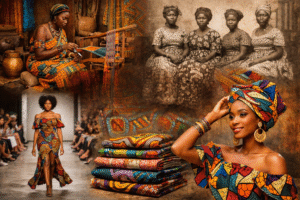
African prints are more than just fabric. They tell stories, reflect identity, and have evolved over centuries to become a global fashion phenomenon. From traditional handwoven cloth to contemporary designs gracing runways worldwide, the journey of African prints is as vibrant as the patterns themselves.
Origins and Traditional Significance
The roots of African prints trace back hundreds of years to local weaving, dyeing, and embroidery techniques. In West Africa, adire and kente fabrics were traditionally used to communicate status, identity, and cultural values. Patterns were symbolic—each design told a story or carried a meaning. For example, kente stripes could represent a proverb, historical event, or moral principle.
These prints were not just decorative. They were woven into everyday life, worn during ceremonies, festivals, and rites of passage. Fabric selection often indicated social class, profession, or family lineage, making it a visual language of culture.
The Influence of Trade and Technology
The 19th and 20th centuries brought significant changes. With the trans-Atlantic trade and the introduction of new dyes and textiles, African prints began to evolve. The Dutch wax prints, originally inspired by Indonesian batik, became immensely popular across West Africa. Locally, artisans adapted the designs to reflect African symbols, narratives, and color palettes, making them uniquely African despite foreign origins.
This era marked the fusion of traditional symbolism with modern techniques, creating fabrics that were accessible to a wider audience while maintaining cultural significance.
African Prints in Contemporary Fashion
Today, African prints are celebrated globally. Designers like Lisa Folawiyo, Ozwald Boateng, and Stella Jean have incorporated them into high fashion, blending tradition with contemporary styles. African prints are no longer confined to cultural garments; they appear in streetwear, haute couture, and even international red carpet events.
Modern prints often combine traditional motifs with bold, innovative colors and digital printing techniques, allowing for mass production while preserving artistic integrity. Social media platforms and fashion weeks have further amplified their reach, connecting African heritage with global audiences.
Cultural Preservation and Innovation
The evolution of African prints is not just about style—it’s about preserving culture while embracing innovation. Today’s designers balance honoring traditional symbolism with creating fresh, modern narratives. Communities and artisans continue to thrive as African prints gain recognition, providing economic opportunities and keeping heritage alive.
Conclusion
From handwoven fabrics with deep cultural significance to globally recognized fashion statements, African prints have evolved while remaining rooted in storytelling and identity. They are a testament to creativity, resilience, and the power of culture to transcend borders.
African prints are more than patterns—they are history, heritage, and a canvas for the future.