
Strengthening Youth Development in Tamale Through Strategic Collaboration with the National Youth Authority
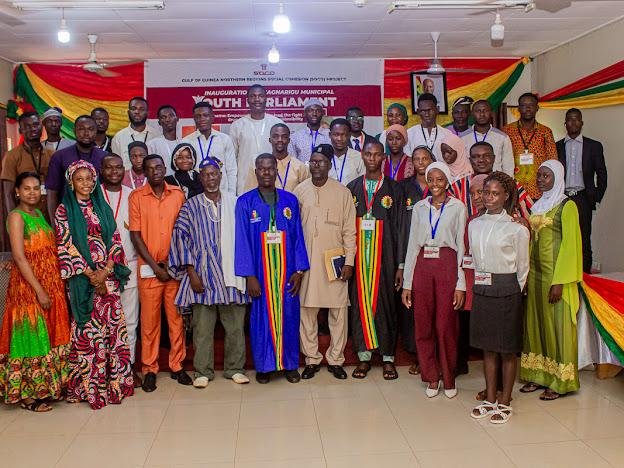
Youth empowerment remains one of the most critical drivers of sustainable development in Ghana. In the Sagnarigu District of Tamale, strategic collaboration is playing an important role in strengthening how youth focused initiatives are planned, coordinated, and implemented. Through a partnership with the National Youth Authority, AVL Fashion serves as a liaison between NYA and non governmental organizations operating within the district.
This collaboration reflects a shared commitment to building systems that are structured, inclusive, and aligned with district priorities. By bridging the gap between government institutions and civil society organizations, AVL supports more effective youth programming, improved stakeholder communication, and sustainable community impact.
The Role of the National Youth Authority
The National Youth Authority is the leading government body responsible for youth development in Ghana. Its mandate includes policy implementation, youth engagement, skills development promotion, and coordination of youth related initiatives across regions and districts.
At the district level, NYA works to ensure that youth programs are aligned with national development strategies while responding to local needs. However, for initiatives to achieve maximum impact, collaboration with community based organizations and non governmental actors is essential. This is where strategic coordination becomes critical.
AVL as a Strategic LiaisonWithin the Sagnarigu District,
AVL serves as a structured connector between NYA and NGOs operating in Tamale. Rather than functioning solely as a program implementer, AVL plays a facilitative and coordinating role that strengthens partnerships and ensures alignment.
As a liaison, AVL supports:
•Introduction and onboarding of NGOs to NYA structures
•Alignment of projects with district and national youth priorities
•Coordination of stakeholder meetings
•Communication flow between civil society and government representatives
•Strategic planning discussions
•Visibility and documentation of initiatives
This intermediary role helps ensure that youth focused interventions are not operating in isolation but are instead connected to broader policy frameworks and district development goals.
Improving Coordination and Reducing Duplication
One of the key challenges in community development work is duplication of efforts. Without coordination, multiple organizations may unknowingly focus on the same communities or issues while other needs remain unaddressed.
Through structured engagement with NYA, AVL helps reduce overlap by:
•Facilitating information sharing between stakeholders
•Encouraging collaborative planning sessions
•Identifying gaps in service delivery
•Promoting complementary programming
When organizations communicate effectively, resources are used more efficiently. Funding, expertise, and community outreach efforts can be strategically distributed rather than scattered.
This improved coordination ultimately enhances the quality and reach of youth interventions in the district.
Supporting Stronger Program Planning
Effective youth development requires intentional design. Programs must be informed by community needs assessments, policy frameworks, and long term sustainability planning.
By connecting NGOs with NYA, AVL helps ensure that project planning is grounded in:
•District specific youth priorities
•Government development strategies
•Regulatory compliance requirements
•Structured reporting and accountability mechanisms
This structured planning approach increases the likelihood that projects will secure support, attract funding, and achieve measurable outcomes.
Additionally, coordinated planning creates opportunities for partnerships between organizations that share complementary goals. For example, one NGO focused on skills training may collaborate with another specializing in mental health or entrepreneurship development, creating integrated solutions for young people.
Resource Mobilization and Sustainability
Resource mobilization is a common challenge for many grassroots organizations. Access to funding, government support, and institutional networks can significantly influence program sustainability.
Through its liaison role, AVL contributes to:
•Strengthening credibility of NGO initiatives
•Facilitating introductions to relevant stakeholders
•Supporting joint proposal development
•Increasing visibility for district level initiatives
When organizations are connected to official structures like NYA, their work gains additional legitimacy and strategic backing. This increases opportunities for scaling programs and sustaining impact over time.
Sustainability is not only about financial resources. It also involves building systems that continue functioning beyond individual projects. Structured collaboration supports institutional memory, consistent communication, and long term planning.
Enhancing Stakeholder Engagement
Youth development is most effective when multiple stakeholders are actively engaged. Government agencies, civil society organizations, community leaders, educators, and youth representatives each play an important role.
AVL supports stakeholder engagement by:
•Coordinating meetings and consultations
•Encouraging youth participation in dialogue
•Promoting transparency in communication
•Supporting collaborative decision making
These efforts strengthen trust between institutions and communities. When young people see collaboration between government and civil society, confidence in public systems increases.
Stronger engagement also allows youth voices to be integrated into planning processes. This ensures that initiatives respond directly to real needs rather than assumptions.
Promoting Youth Empowerment and Skills Development
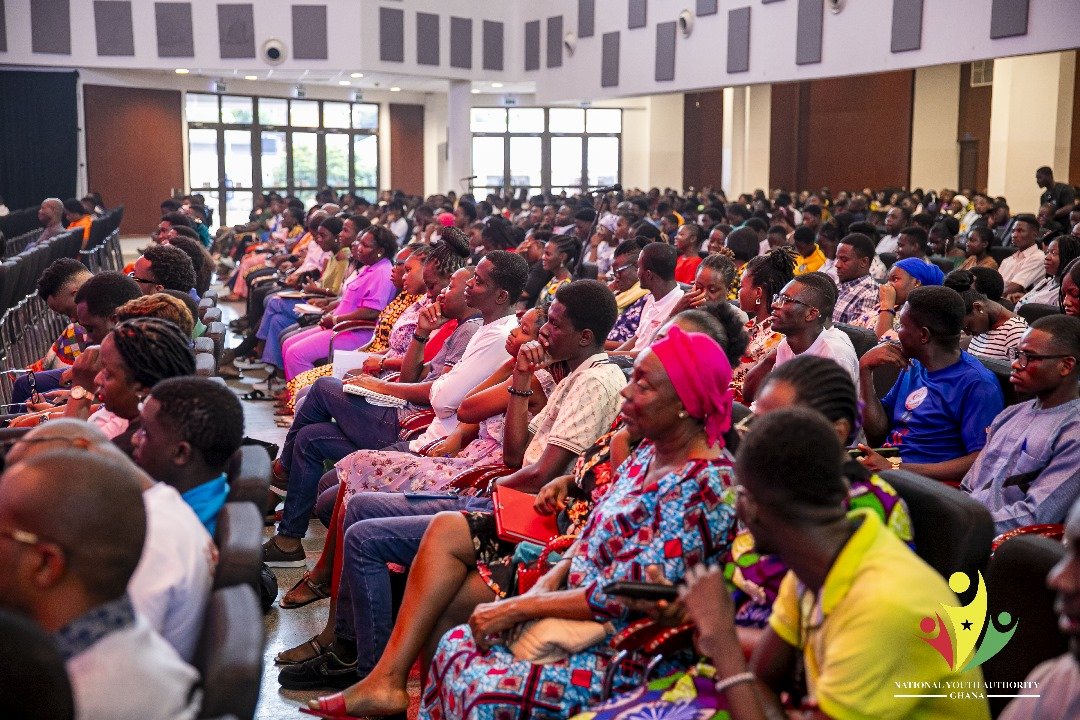
At the core of this collaboration is a shared commitment to youth empowerment. Empowerment includes access to opportunities, leadership development, entrepreneurship support, and personal growth.
Programs facilitated through coordinated efforts often focus on:
•Skills training and vocational development
•Entrepreneurship education
•Digital literacy
•Mental health awareness
•Civic engagement
•Leadership training
By aligning NGO programs with NYA’s framework, these initiatives contribute to a more structured and scalable youth development ecosystem within Tamale.
Youth empowerment also contributes directly to economic growth. When young people gain skills and leadership capacity, they are better positioned to create businesses, secure employment, and contribute to community development.
Strengthening Communication Across Sectors
Communication gaps often hinder development efforts. Government institutions may not always have full visibility into grassroots activities, and NGOs may struggle to navigate public systems.
AVL’s coordination role improves information flow by ensuring that:
•Government representatives are aware of community initiatives
•NGOs understand district expectations and procedures
•Stakeholders share updates on progress and challenges
•Collaborative opportunities are identified early
Clear communication reduces misunderstandings and promotes accountability. It also supports more responsive decision making when challenges arise.
Creating Sustainable Systems for Long Term Impact
Short term projects can provide temporary benefits, but sustainable systems create lasting change. The collaboration between AVL and NYA focuses on building frameworks that continue supporting youth beyond individual interventions.
Sustainable systems include:
•Structured partnership networks
•Clear reporting and evaluation processes
•Ongoing stakeholder dialogue
•Policy alignment
•Leadership continuity
By facilitating these systems, AVL contributes to a more organized and resilient youth development landscape in Sagnarigu District.
Driving Social and Economic Growth in Tamale
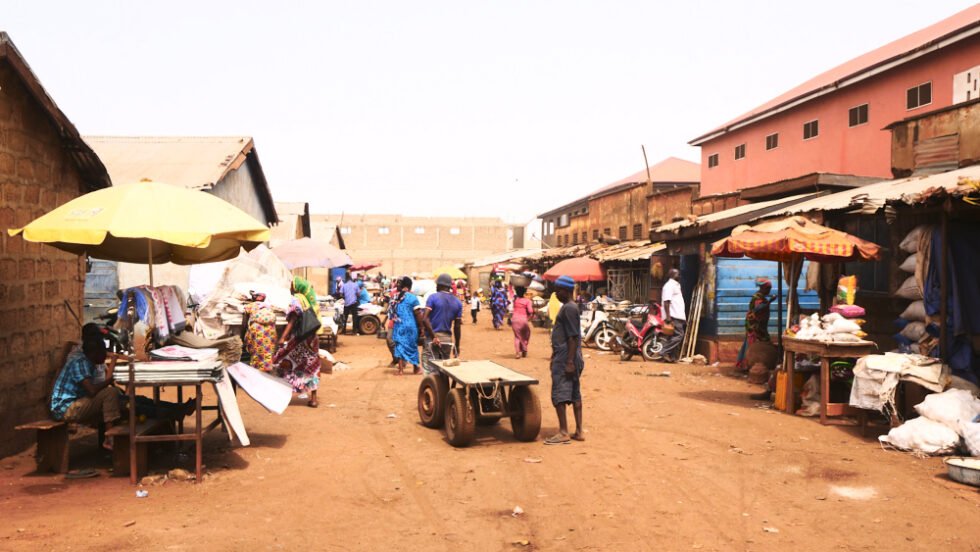
Tamale is home to a vibrant and growing youth population. Harnessing this demographic potential requires coordinated action, strategic planning, and collaborative leadership.
Through its partnership with the National Youth Authority, AVL contributes to:
•Expanding access to opportunities
•Encouraging youth leadership
•Strengthening institutional partnerships
•Enhancing program effectiveness
•Supporting long term economic resilience
When government and civil society work together effectively, the results extend beyond individual projects. They influence community stability, economic participation, and social cohesion.
A Model for Strategic Collaboration
The partnership between AVL and NYA demonstrates how structured coordination can strengthen local development efforts. By serving as a liaison rather than operating independently, AVL ensures that youth initiatives are integrated into a broader development framework.
This approach reduces fragmentation, increases accountability, and maximizes impact. It also positions Tamale as a district where collaboration drives meaningful progress.
Youth empowerment requires more than passion. It requires systems, partnerships, and long term commitment. Through its strategic coordination with the National Youth Authority, AVL continues to contribute to stronger partnerships that expand opportunities, foster leadership, and support sustainable social and economic growth for young people in Tamale.
To learn more about AVL’s mission, partnerships, and community initiatives, visit https://avlfashion.com/about-us/ and stay connected to ongoing impact driven work.